

















…As Ondo South Senator, Prof. Dayo Faduyile Joins Push to Mobilise International Support to save Ondo Coastal communities

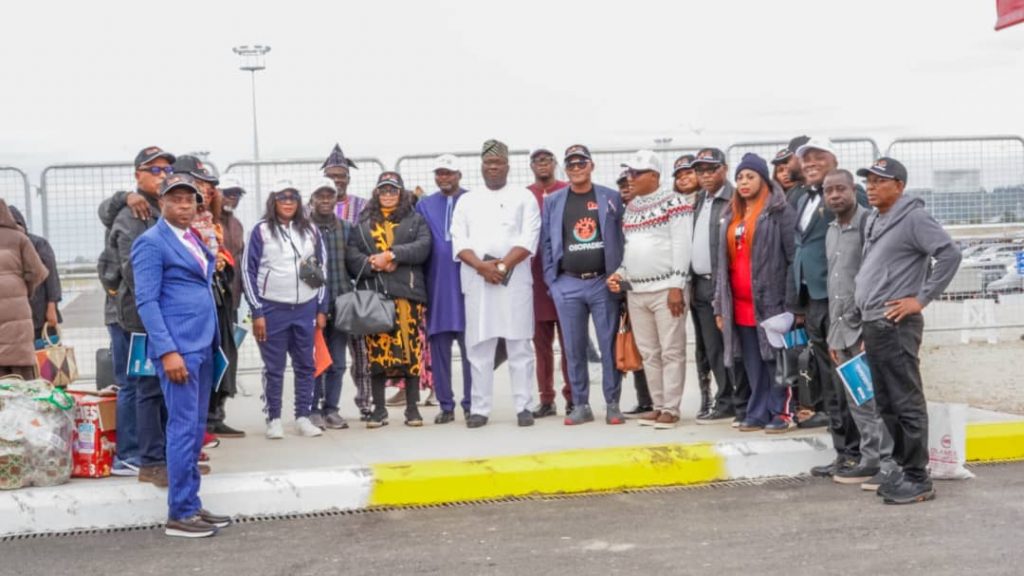
The Executive Chairman of the Ondo State Oil Producing Areas Development Commission (OSOPADEC), Prince Olabiyi Olaleye Poroye, has called for urgent international intervention to halt the devastating impact of coastal erosion and climate change on vulnerable communities in Ondo State.
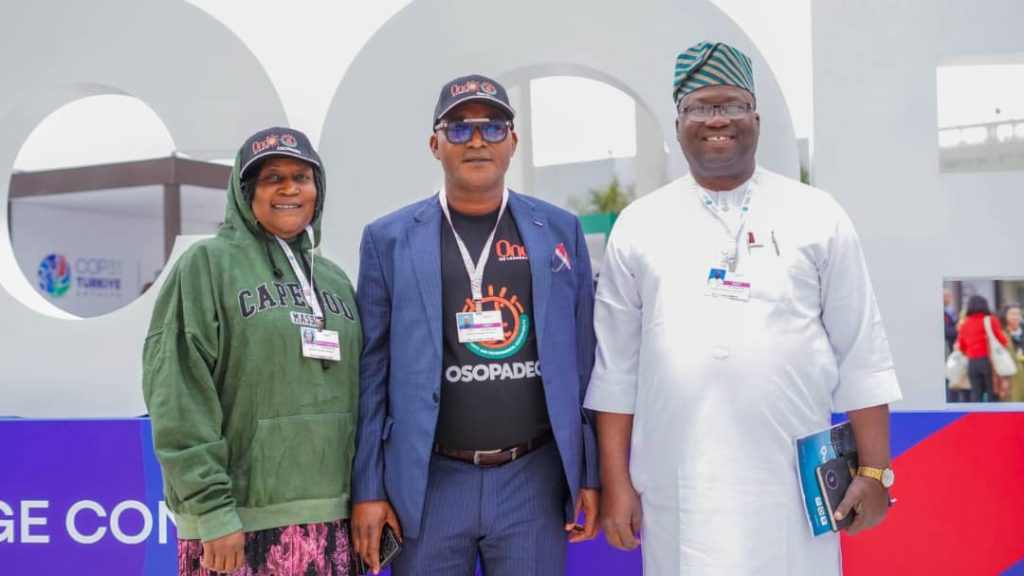
Poroye made the appeal on Tuesday, 10th November, 2026, while delivering the opening address at a Nigeria Pavilion session titled “Saving the Vanishing Coast: The Just Transition for an Oil-Producing Shore,” at the 31st United Nations Climate Change Conference (COP31) in Antalya, Türkiye.
Using the historic coastal community of Aiyetoro in Ilaje Local Government Area as a case study, the OSOPADEC Chairman highlighted the growing environmental and socioeconomic challenges confronting communities situated close to Nigeria’s offshore oil resources but still struggling with inadequate electricity, disappearing land and unsafe waterways.

He described the situation as a troubling contradiction, insisting that communities contributing to the nation’s economic wealth should not be abandoned to environmental devastation and underdevelopment.
Recalling Aiyetoro’s remarkable history of self-reliance and community-driven development, Poroye noted that the settlement generated its own electricity as far back as 1953, at a time when many Nigerian communities had yet to enjoy regular power supply.
“In 1953, long before many towns in our country had electricity, the people of Aiyetoro generated their own power. They built their own boats. They organised their own community and were proud of what their own hands could do,” he said.
However, he lamented that the once-thriving community was now facing an existential threat as the Atlantic Ocean continues to encroach on its territory, swallowing homes, streets and other critical infrastructure.
Illustrating the devastating human consequences of the environmental crisis, Poroye painted a picture of daily hardship for residents, particularly women, children and fishermen.
“A child does her homework by the light of a lantern. A fisherman brings in his catch but has nowhere cold to keep it. A mother takes a sick child to hospital by boat, across open water, often without a life jacket,” he stated.
In response to these challenges, the OSOPADEC Chairman unveiled a proposed pilot intervention featuring solar-powered mini-grids and safe coastal mobility solutions for vulnerable communities along the Ilaje coastline.
The initiative is designed to expand access to reliable renewable energy, improve safety on coastal waterways and create opportunities for residents to preserve livelihoods while adapting to the effects of climate change.
Speaking on behalf of Governor Lucky Orimisan Aiyedatiwa, the OSOPADEC Board, management and staff, Poroye reaffirmed the Ondo State Government’s commitment to mobilising the necessary resources, partnerships and institutional support to address the environmental challenges threatening the state’s coastal communities.
He also acknowledged the support of the Ondo State Governor, His Excellency, Dr. Lucky Orimisan Aiyedatiwa, Ondo State Government, National Assembly and the Ondo State House of Assembly, expressing confidence that affected communities were prepared to take ownership of the proposed interventions, including their operation and maintenance.
The OSOPADEC Chairman consequently called for stronger international collaboration and support to scale up climate adaptation measures, coastal protection and sustainable development initiatives across the endangered coastline.
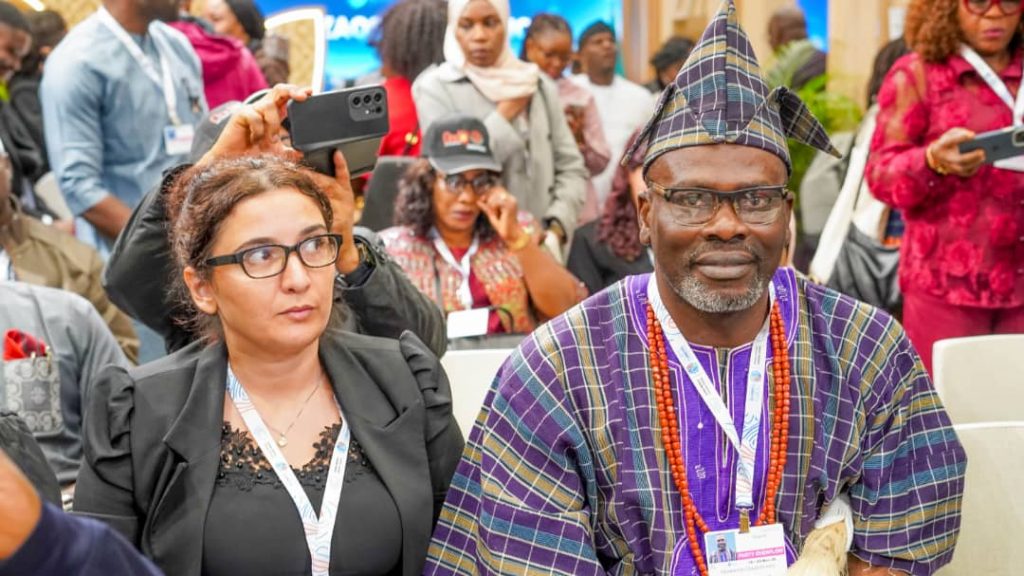
Also speaking at the event, the Senator representing Ondo South Senatorial District, Professor Dayo Francis Faduyile, called for immediate international and national intervention to prevent further destruction of Ayetoro and other coastal settlements in Ondo State.
Faduyile disclosed that more than 80 per cent of historic Aiyetoro had been lost to sea incursion, including residential buildings, schools, healthcare facilities, places of worship and traditional institutions.
Expressing concern over the scale of the devastation, he urged stakeholders to move beyond discussions and implement concrete measures to protect the remaining portions of the community.
“We need to take action. This is the time for us to act. As we can see, Aiyetoro is bleeding,” he declared.
The lawmaker revealed that he had moved a motion at the Nigerian Senate on 22nd October, 2026, seeking urgent intervention to rescue Ayetoro and other threatened coastal communities, noting that the motion received unanimous support from the Senate.
According to him, the Senate has resolved to pursue a comprehensive shoreline protection programme involving the Federal Ministry of Environment, the Niger Delta Development Commission (NDDC), the Ondo State Government and OSOPADEC.
He further disclosed that the Senate had urged the National Emergency Management Agency (NEMA) to provide humanitarian assistance to residents displaced by the advancing ocean, while calling on the Federal Government to explore international climate adaptation financing to support interventions along Nigeria’s vulnerable coastline.
Faduyile commended Poroye for taking the plight of Ondo’s endangered coastal communities to the international climate diplomacy platform, noting that OSOPADEC had presented not only the scale of the problem but also practical proposals for addressing it.
Providing a historical perspective on the crisis, Prophet Oluwambe Ojagbohunmi, who spoke on behalf of the Aiyetoro community, described the settlement as a once-thriving model of communal living, industrial development and shared prosperity before the devastating effects of coastal erosion.
He recalled that Aiyetoro operated an unusual social and economic system in which residents enjoyed access to basic necessities through collective ownership and community-driven initiatives.
“Aiyetoro was a community where nobody lacked anything. We had textile factories where people collected clothes free of charge, a central cafeteria that fed everybody, and houses were provided for residents,” he said.
Ojagbohunmi disclosed that ordinary fishermen established an electricity-generating station in 1953, while the community subsequently built a 200-room palace and a technical college in 1964.
These achievements, he noted, made Aiyetoro one of the most industrialised communities in West Africa at the time and demonstrated the capacity of local communities to drive innovation, development and collective prosperity.
He lamented that many of these historic structures and landmarks had since been swallowed by the Atlantic Ocean, describing their destruction as an immense loss not only to the people of Ayetoro but also to African cultural and developmental heritage.
To preserve the community’s history and document the consequences of climate change, Ojagbohunmi presented historical photographs and documents at the session, expressing the community’s willingness to make them available to relevant stakeholders, researchers and international partners.
The presentations at the Nigeria Pavilion underscored the urgent need to place vulnerable oil-producing coastal communities at the centre of global climate action and just energy transition discussions.
For Aiyetoro and other settlements along the Ilaje coastline, the climate crisis is no longer a distant environmental concern but a daily reality threatening homes, livelihoods, public infrastructure, cultural identity and the future of generations yet unborn.
With OSOPADEC proposing renewable energy and safe coastal transportation interventions, and the Senate expressing support for a comprehensive shoreline protection programme, stakeholders at COP31 were presented with an opportunity to translate international climate commitments into meaningful action at the community level.
The central message from Ondo State was clear: the people living along Nigeria’s endangered coastline need more than expressions of concern. They need urgent intervention, sustainable financing, technological support and enduring international partnerships to protect their communities and secure their future.
As the Atlantic Ocean continues to encroach on Aiyetoro, the race to save what remains has become increasingly urgent.