
















…As OSOPADEC Begins Massive Water Hyacinth Clearance in Ilaje, Ese-Odo

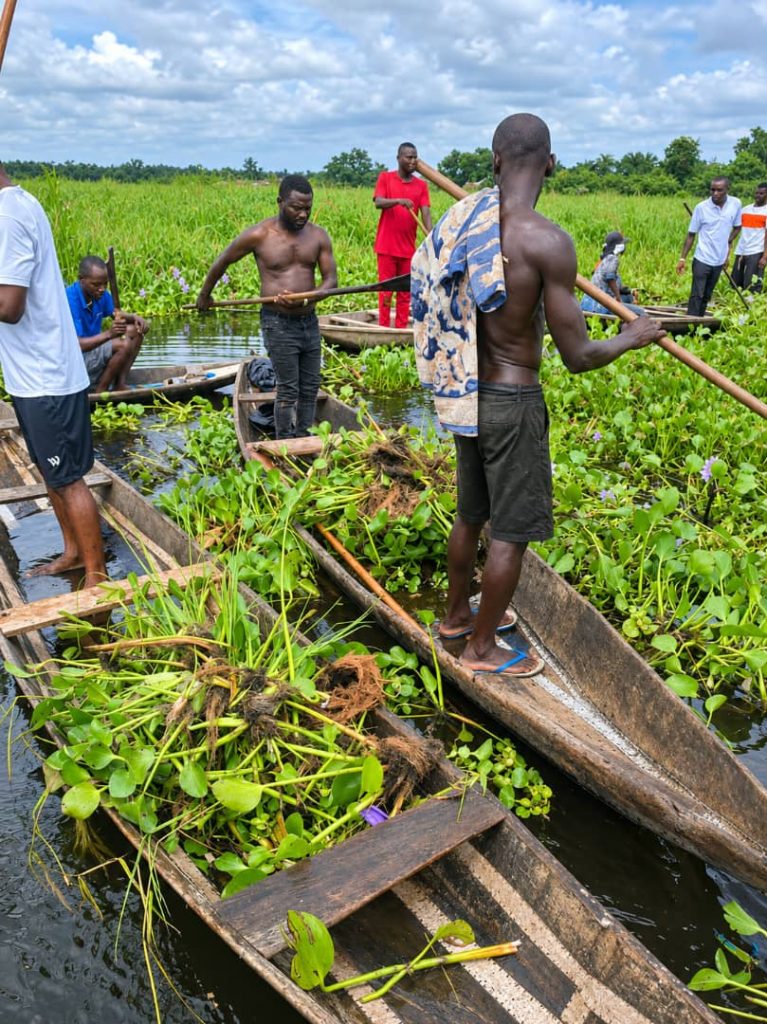
The Ondo State Oil Producing Areas Development Commission (OSOPADEC), in collaboration with the Ondo State Government, has commenced a massive water hyacinth clearance operation across riverine communities in Ilaje and Ese-Odo Local Government Areas, in a strategic move to restore navigable waterways, ease transportation and revitalise economic activities in the oil-producing areas.
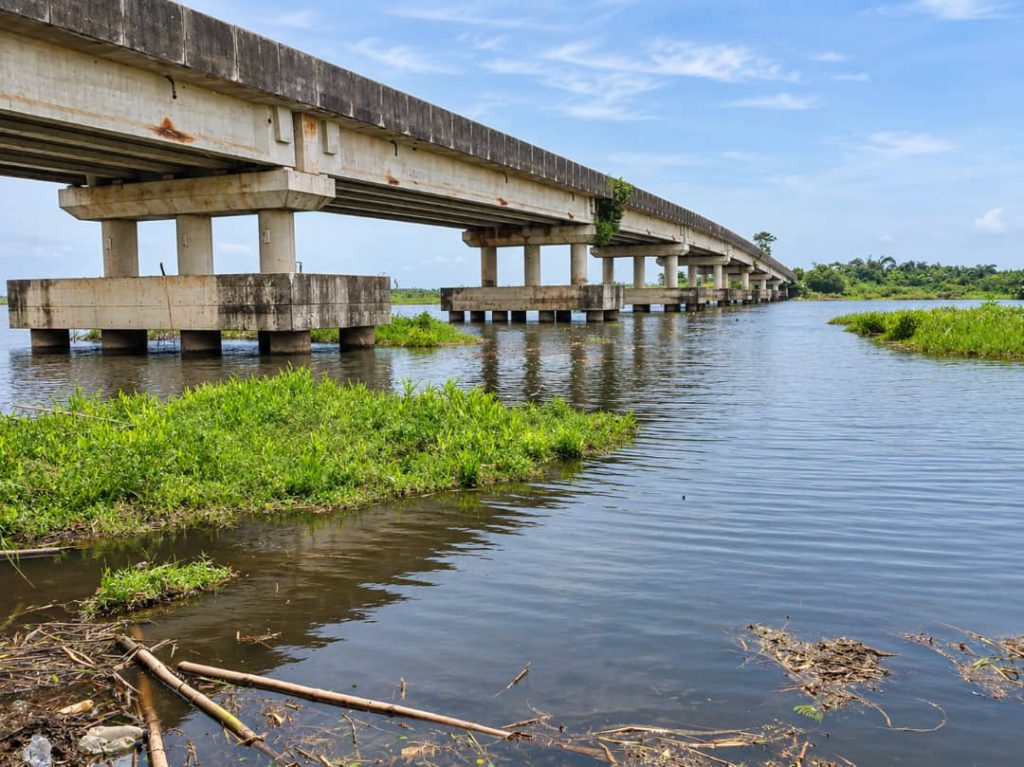
The exercise, which commenced on Monday, 2nd November, 2026, is aimed at addressing the growing menace of water hyacinth, an invasive aquatic weed that has obstructed several waterways, disrupted fishing activities and made the movement of residents, goods and agricultural produce increasingly difficult.
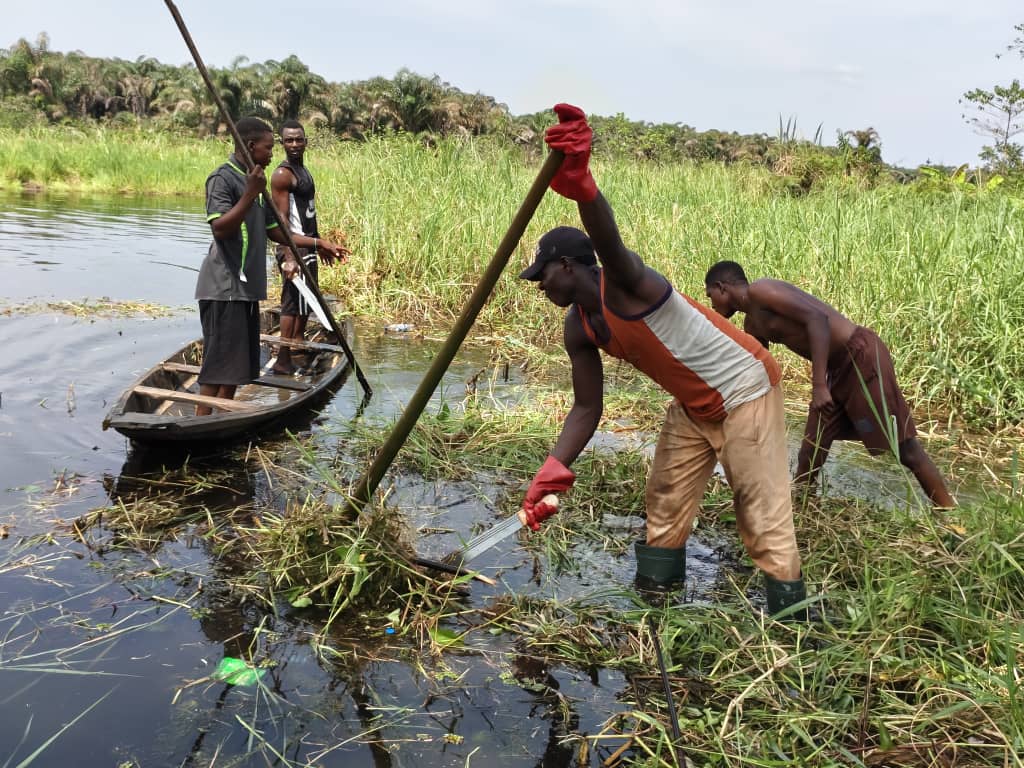
The intervention underscores the commitment of the administration of Governor Lucky Orimisan Aiyedatiwa and the OSOPADEC Board, led by its Executive Chairman, Prince Olabiyi Olaleye Poroye, to addressing critical environmental and infrastructural challenges confronting residents of the commission’s mandate areas.
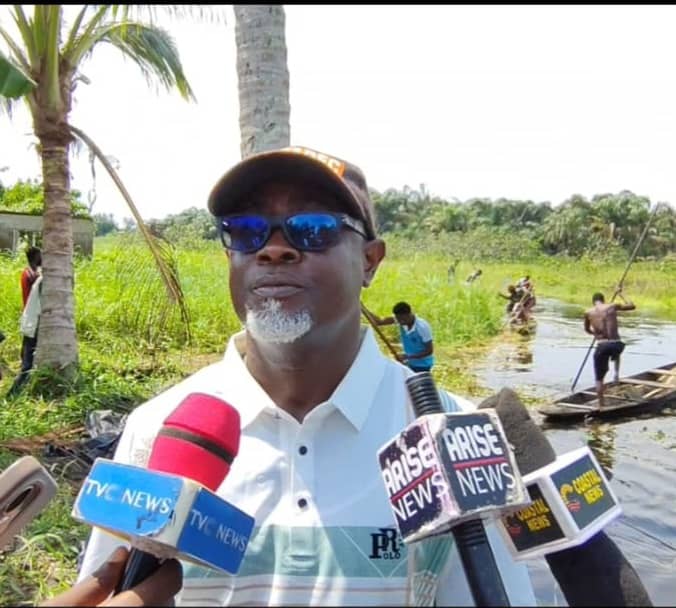
Speaking during an inspection and monitoring visit to the project sites, the Executive Director, Projects, OSOPADEC, Mallam Mallon Ogbaro, who represented the Executive Chairman, said the exercise was initiated in response to persistent complaints and appeals from communities severely affected by the proliferation of the aquatic weed.
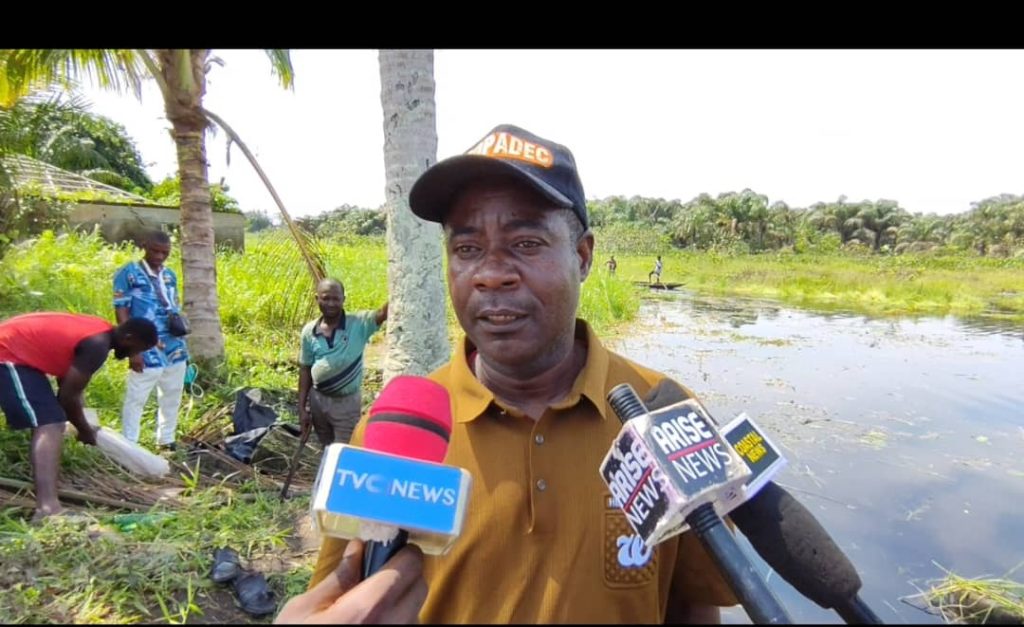
Ogbaro explained that the intervention was particularly important because fishing remains the primary occupation of many residents, while waterways serve as their major means of transportation and economic interaction.
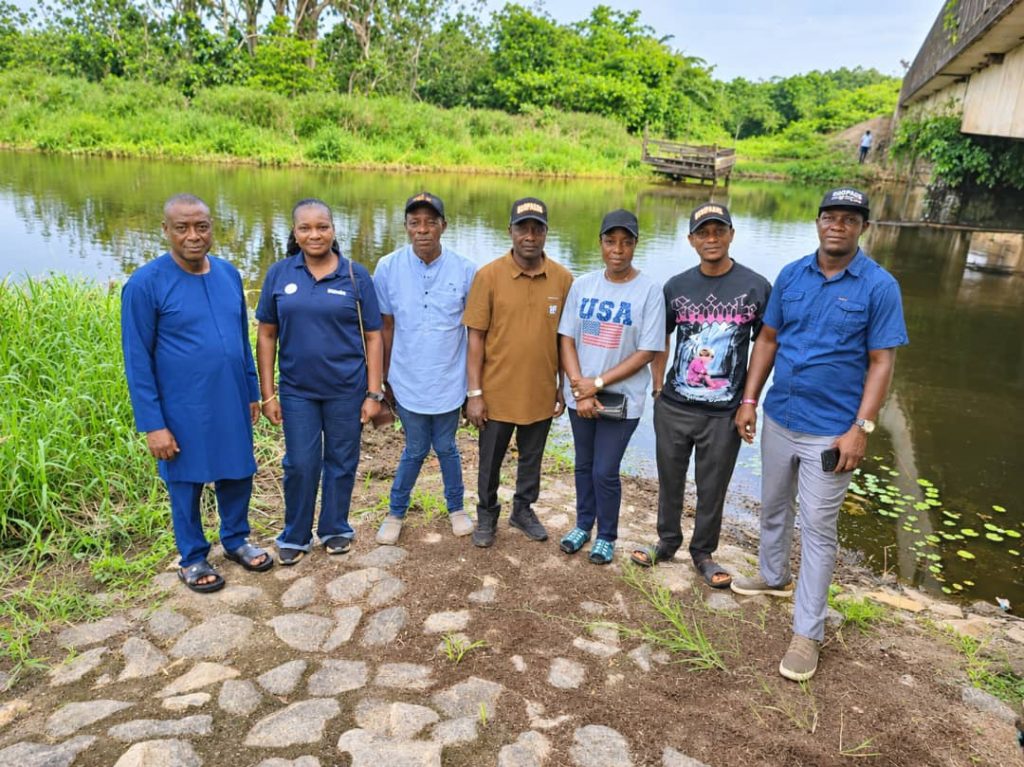
He said: “This intervention is a demonstration of the commitment of Governor Lucky Orimisan Aiyedatiwa’s administration and the OSOPADEC Board under the leadership of Prince Olabiyi Olaleye Poroye to addressing the needs and challenges of our people.
“We are aware that water hyacinth has become a major problem in our riverine communities, and we are determined to ensure that our waterways are accessible again.
“We received several complaints and appeals from communities whose waterways had been overtaken by these aquatic weeds. The situation has become particularly challenging for our people because fishing is their major occupation, while waterways remain their principal means of transportation. We are responding to these concerns to restore their livelihoods and improve their daily activities.”
The Executive Director assured residents that the clearance exercise would be sustained, subject to available budgetary provisions, adding that the Commission would continue to engage the state government on the need to extend similar interventions to other affected communities.
Providing further details on the operation, the Director of Water, Waterways and Environmental Control, Engr. Goke Aworetan, disclosed that clearance activities were ongoing in several communities across the two local government areas.
According to him, the benefiting communities include Imoluwa, Igbo-Egunren, Mahintedo, Alape, Ibila, Oropo, Sabomi, Ipoke, Biagbini, Oboro, Inikorogha, Fiyebrasintei, Ukparama and Arogbo, among others.
Aworetan described the exercise as a significant intervention that would address longstanding difficulties associated with waterway navigation, while creating better opportunities for fishing, transportation, commerce and other livelihood activities.
He noted that the accumulation of water hyacinth had become a major obstacle to movement across riverine settlements, making it increasingly difficult for residents to commute, transport goods and access fishing locations.
Aworetan added that restoring access to the waterways would have far-reaching benefits for residents by enhancing productivity, reducing transportation difficulties and creating a more favourable environment for economic activities.
“The ongoing exercise is expected to provide relief to thousands of residents whose livelihoods depend largely on fishing, farming, trading and water-based transportation.”
With the intervention, OSOPADEC and the Ondo State Government are seeking to address an environmental challenge that has significantly affected everyday life in the riverine communities, while improving access, strengthening local economic activities and supporting the livelihoods of people across Ilaje and Ese-Odo.